which food has highest glycemic index Role of glycemic index in day to day life
As we all know, our diet plays a fundamental role in our health. The foods we eat can influence our body’s overall functioning, including our energy levels and weight. However, few of us know how the Glycemic Index (GI) of foods can impact our health. The GI measures the impact of carbohydrates contained in food on blood sugar levels. Foods with a high GI score raise blood sugar levels fast and can lead to a spike in insulin. In contrast, foods with a low GI score take longer to digest and cause a gradual and steady increase in blood sugar levels. If you have a sweet tooth, you might want to keep in mind that sugary foods are usually high on the GI scale. For instance, some popular breakfast cereals, such as cornflakes and puffed rice, have a high GI score. Other foods that rank high are white bread, potatoes, watermelon, and carrots. Notably, a high GI score may lead to weight gain, as the body tends to store sugar as fat when it can’t use the energy it contains. Additionally, a rapid increase in blood sugar levels can cause a craving for more sweets, leading to an addiction to high GI foods. On the other hand, low GI foods can help you maintain a healthy weight, support digestion, and keep blood sugar levels under control. These foods, such as quinoa, seeds, nuts, and legumes, can help you feel fuller for longer while slowing down the absorption of sugar into your bloodstream. Here are some examples of low GI foods you can incorporate into your diet: - Sweet potatoes: the orange flesh variety has a lower GI score than regular potatoes and it is packed with nutrients, including fiber, beta-carotene, and vitamins C and E. - Berries: rich in antioxidants and fiber, strawberries, blueberries, raspberries, and blackberries have a low GI score and are a delicious way to satisfy a sweet tooth. - Whole grains: replacing refined grains with whole-grain options can help you lower the GI score of your diet. Brown rice, quinoa, and whole-grain bread are excellent examples. - Legumes: beans, lentils, and chickpeas are high in protein and fiber and have a low GI score. Adding them to salads, soups, or stews can increase their nutritional value. In conclusion, it is essential to pay attention to the GI score of the foods we eat as it can affect our health and wellbeing. Eating a varied and balanced diet rich in whole, plant-based foods can help us maintain healthy blood sugar levels and support our overall health. Try incorporating some of the low GI foods mentioned above and see how you feel!
If you are looking for Glycemic Index of Foods and their Impact on our Health | Diethics.com you’ve came to the right web. We have 5 Images about Glycemic Index of Foods and their Impact on our Health | Diethics.com like Foods With High Glycemic Index Can be Addictive - The Foodie Dad, Glycemic Index of Foods and their Impact on our Health | Diethics.com and also Pin on Diabetes. Here it is:
Glycemic Index Of Foods And Their Impact On Our Health | Diethics.com
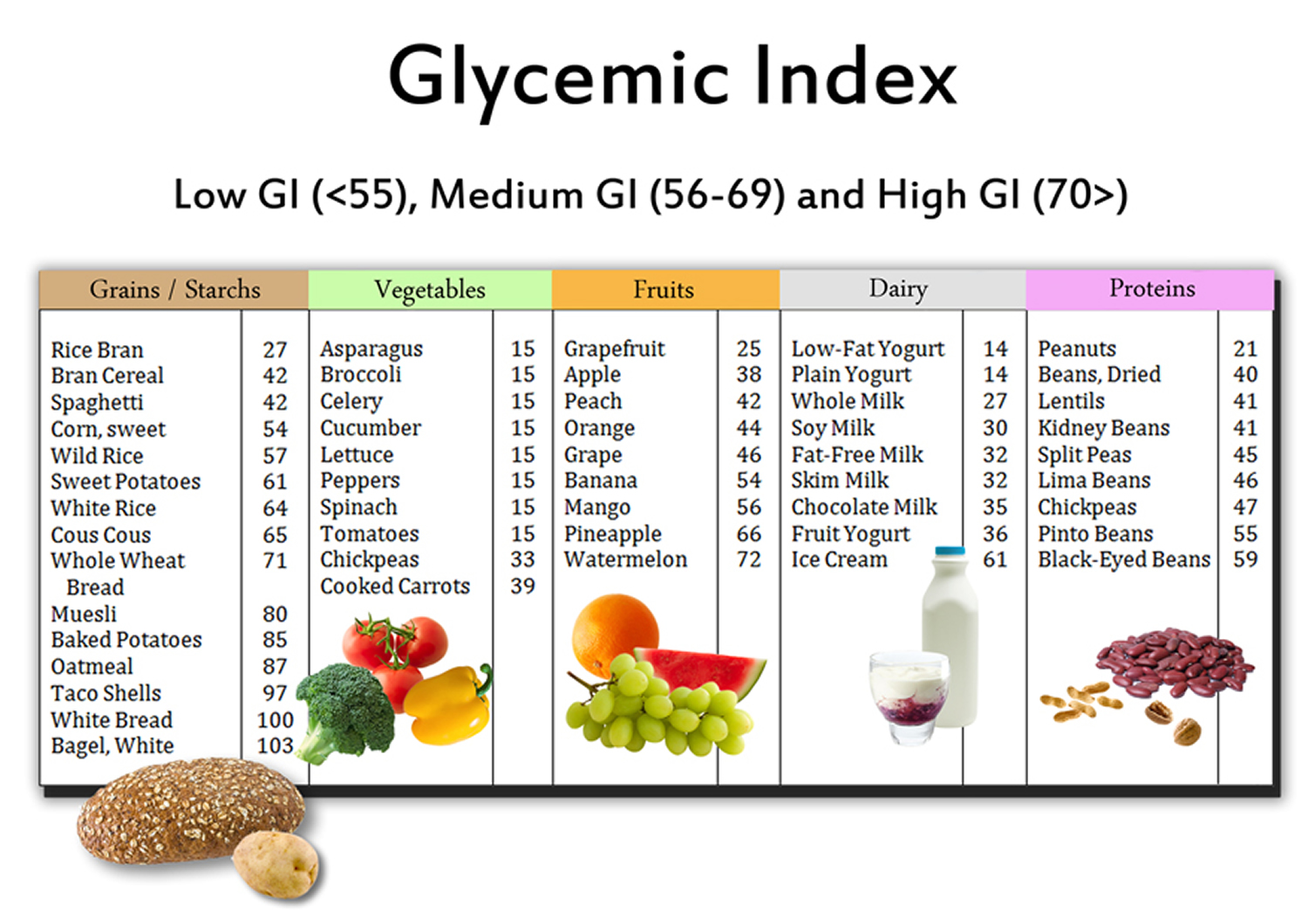 diethics.comglycemic diethics
Foods With High Glycemic Index Can Be Addictive - The Foodie Dad
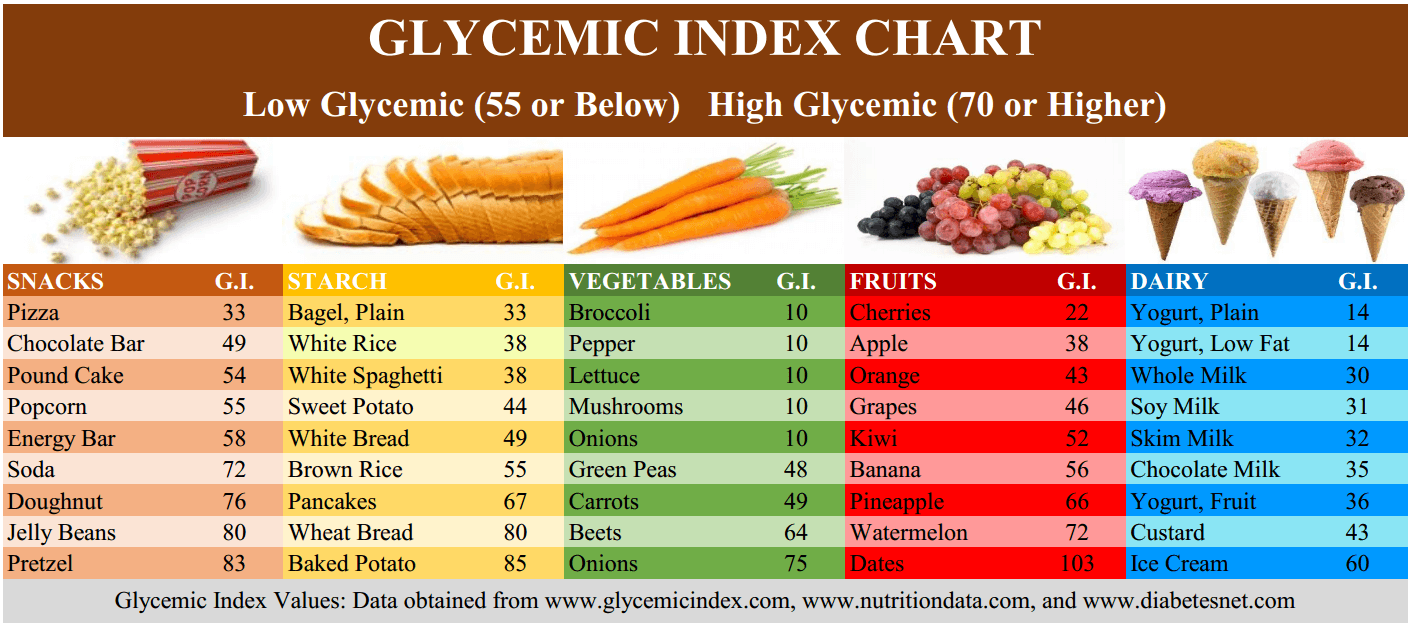 thefoodiedad.comglycemic index foods high low chart load carbs vegetables fruits addictive some quora tap zoom click
Role Of Glycemic Index In Day To Day Life - GOQii
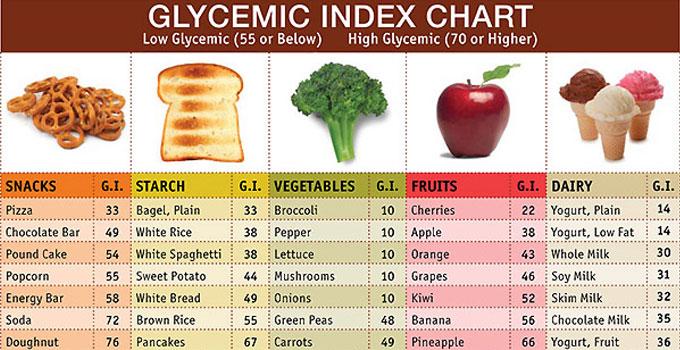 goqii.comglycemic index foods sugar role life chart gi high food low load list fruits diet whole goqii blood fruit printable
Control Your Blood Sugar With Low Glycemic Index Food - Da Ravinto
 daravinto.comglycemic glucose carbohydrate pomegranate scale magickitchen lgi depends affects
Pin On Diabetes
 www.pinterest.comfoods gi low glycemic index high medium diet benefits eat cholesterol food choose board sugar makanan nibble smaller abundance amounts
Glycemic glucose carbohydrate pomegranate scale magickitchen lgi depends affects. Pin on diabetes. Role of glycemic index in day to day life